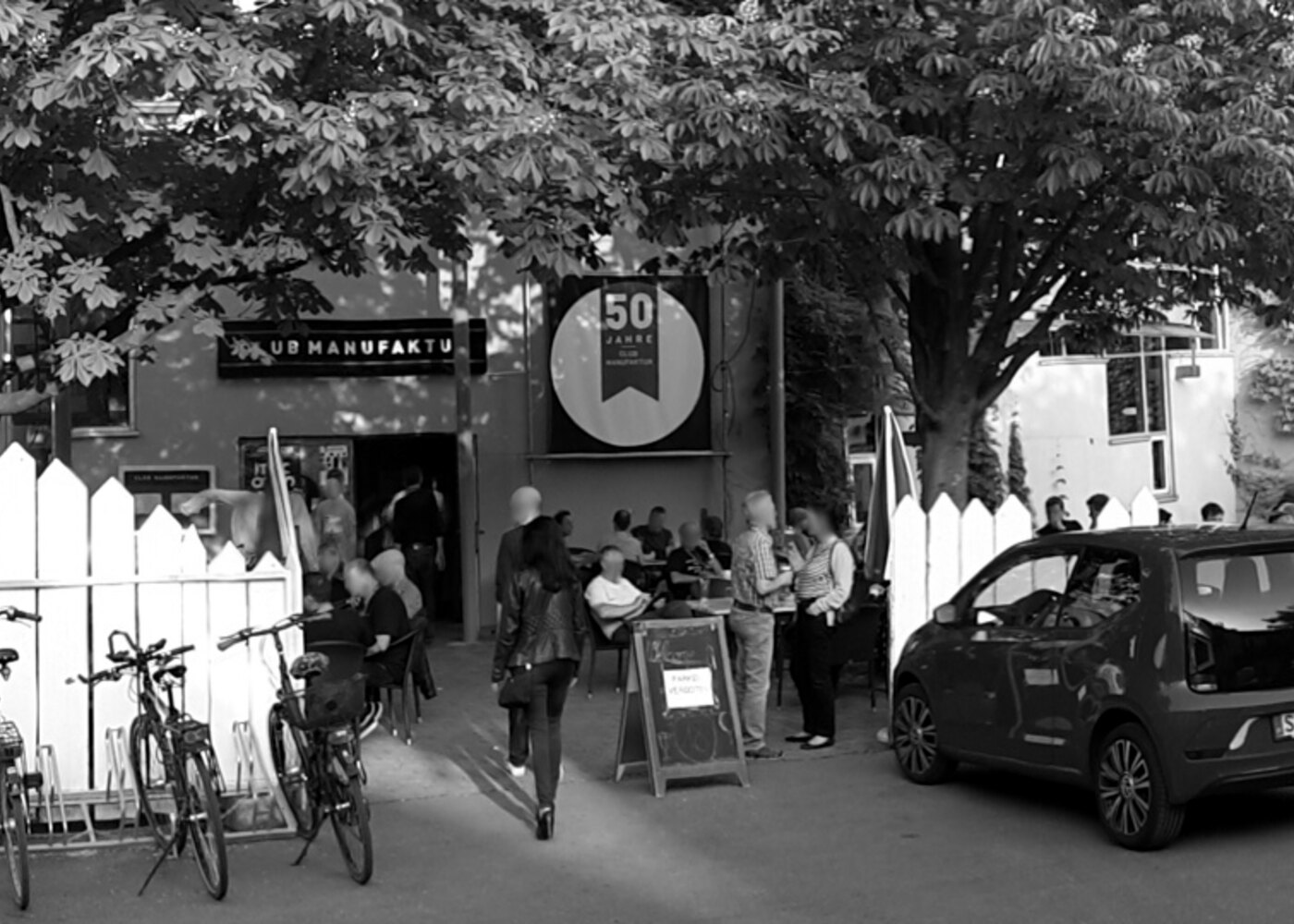
Schorndorf's trick is that it refuses the obvious performance of charm. The half-timbered center is there, the market square is there, the Daimler memory is there, but the story sharpens when you follow the town slightly outward, toward Hammerschlag, tracks, workshops, and the social machinery that makes culture feel self-made.
For an international visitor, that is the difference between a stop and a place. A stop is photographed and left behind. A place gives you a reason to check the evening program, ask who is playing, notice who is setting up, and understand that the best room in town may not announce itself from the postcard view.
A great magazine does not flatten a place into attractions. It teaches the reader how to notice.
Hammerschlag As A Signal
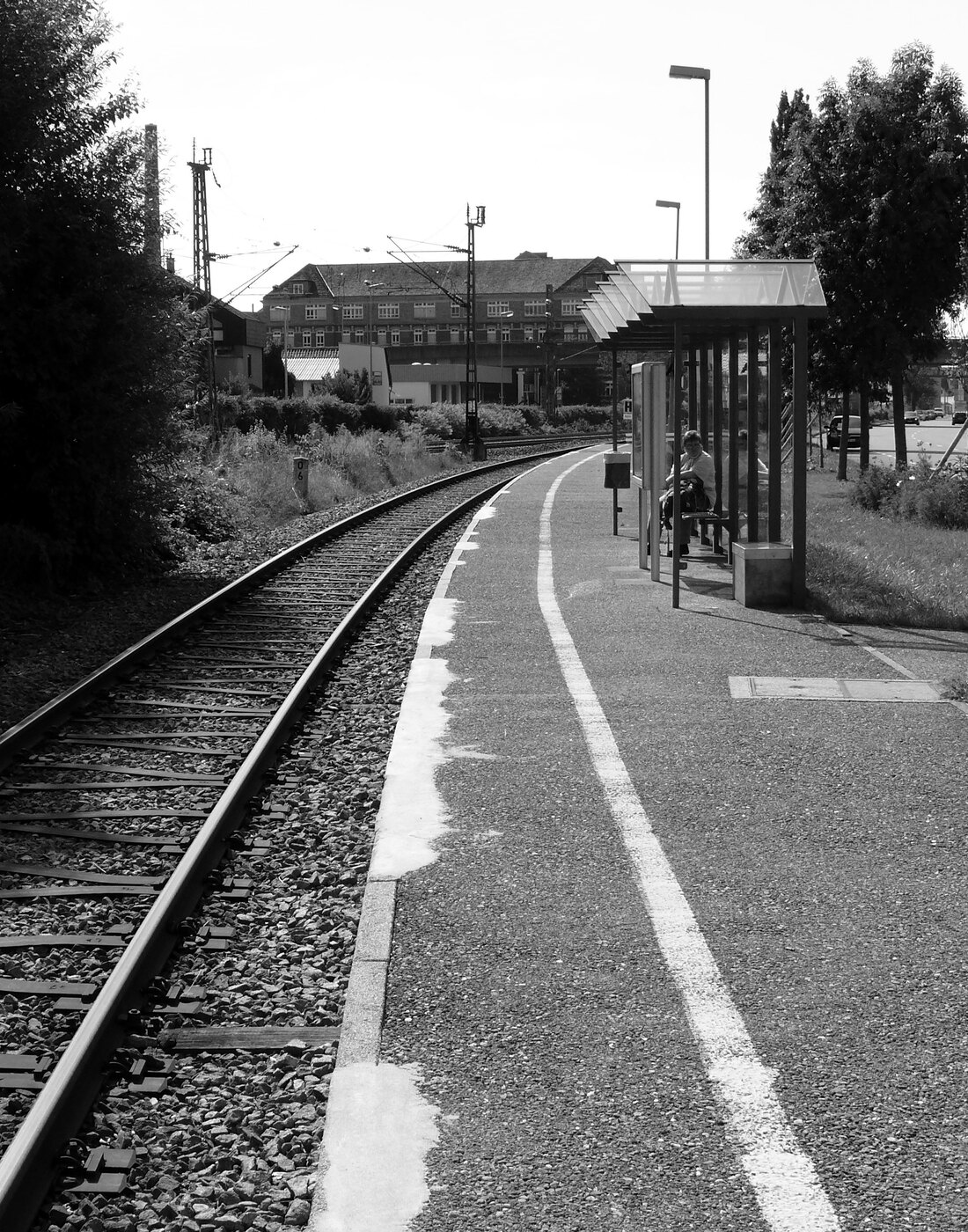
The name carries industry before it carries leisure. That matters. The emotional texture of Hammerschlag is not polished resort culture; it is adaptive, practical, a little improvised. The train platform, the factory edges, the cultural rooms, and the people arriving without ceremony are part of the appeal.
When an open-air evening happens here, it does not feel imported. It feels like the town revealing one of its working parts. That is precisely the kind of secret RemsTales should protect and publish at the same time: enough detail for a visitor to go, enough respect that the place still belongs to itself.
The Visitor's Route
Do not begin with a checklist. Begin with arrival. Move from Schorndorf's center to the Hammerschlag edge, then let the night decide how much of the map you understand. The next morning, climb toward the vineyards and look back. That is when the valley stops feeling like a suburb of Stuttgart and starts feeling like its own sentence.


